If you’ve been sneezing more than usual this spring, your first instinct might be to blame the pollen outside. You wouldn’t be wrong! Spring on Delmarva brings a full seasonal wave of tree and grass pollen that blankets the Shore from March through June. This year, experts point to volatile winter weather that has created an earlier allergy season in Delaware, so you may already be feeling the effects of increased pollen production.
For many local residents, staying indoors in filtered air can ease the symptoms of seasonal allergies. But, if your HVAC system isn’t properly maintained, the more persistent source of sneezing, itchy eyes, and that perpetual stuffy feeling may be circulating through the vents in your own home.
Is Your HVAC Making Allergies Worse?
Your HVAC system moves a lot of air. It also collects everything in the air: dust, pet dander, mold spores, pollen that drifts in through doors and windows, and the accumulated buildup of a long heating season.
When spring arrives and your system shifts from heating to cooling, that stagnant debris that’s been sitting in your ductwork and on your coil gets a ride straight to your bedrooms, living room, and all the fabrics and soft surfaces in your home.
The good news is that your HVAC system can also be one of the most effective tools you have for improving indoor air quality. When it’s properly maintained and equipped, your HVAC system can make your home a sneeze-free haven in the midst of outdoor allergy season.
Here’s how you can set your home up as an oasis during spring allergy season.
Why Spring Is the Hardest Season for Indoor Air Quality
Spring creates a specific set of indoor air quality challenges that don’t show up the same way in any other season.
- First, the shoulder-season problem: as temperatures warm, your HVAC system runs less continuously than it did through winter. That reduced runtime means less air filtration and less dehumidification. On the Eastern Shore, where spring humidity starts climbing in April, that matters. Moisture levels inside homes can rise quickly when the system isn’t cycling, and elevated humidity (above 50 percent) creates favorable conditions for mold spores and dust mites.
- Second, the first-cooling-run problem: the first time you switch your system to cooling for the season, it draws air across a coil that’s been sitting dormant since fall. If that coil has dust buildup or any moisture that didn’t dry out properly, it can release a flush of allergens and odors into your home. It’s a brief window, but it’s worth addressing before it happens.
- Third, the filter problem: if your air filter wasn’t changed at the end of the heating season, it’s carrying the full load of winter’s dust, dander, and debris straight into spring. A saturated filter stops filtering, and worse, can become a source of recirculated particles that make allergy symptoms worse.
Prep Your HVAC System to Filter Allergens
A pre-season tune-up cleans the system before pollen peaks.
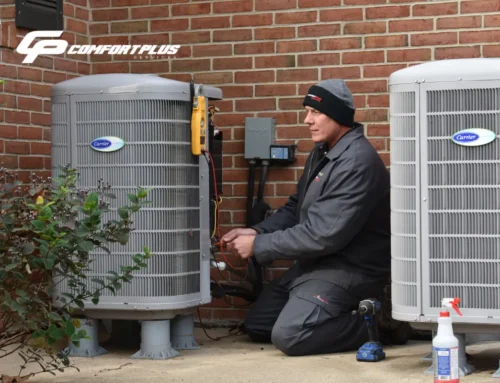
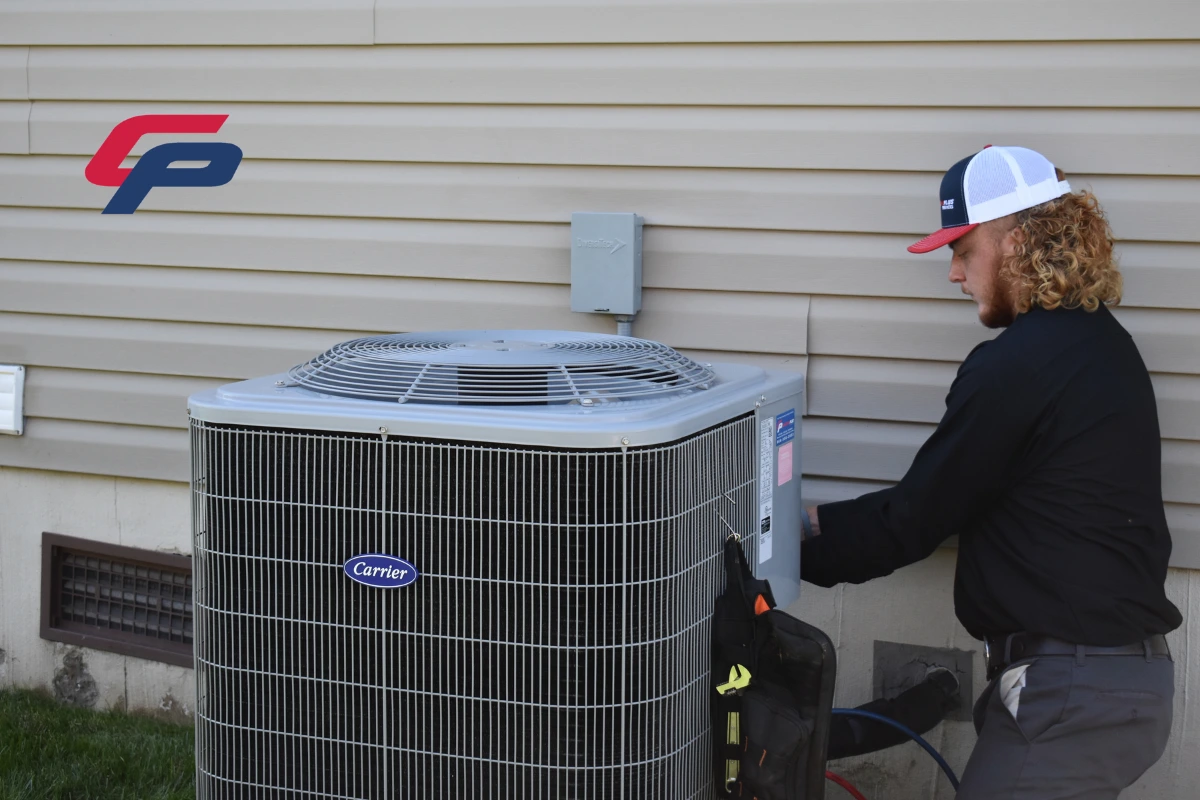
 A spring HVAC maintenance visit does more than check refrigerant levels and test electrical connections. A thorough tune-up includes cleaning the evaporator coil, inspecting the drain pan and condensate line, and checking the blower components. These are all of the places where allergen-harboring debris can accumulate in your HVAC system over a heating season.
For homeowners in Georgetown, DE and across Sussex County, spring is also the season when second homes and vacation properties get reopened after months of sitting closed. Systems that haven’t run in several months need a professional check-up before the cooling season starts. That’s important not just for air quality, but also for efficiency and reliability when the heat arrives.
Scheduling a tune-up in March or April means your system is clean, calibrated, and ready before the hottest days of the year, and before pollen counts hit their peak.
The right air filter makes a measurable difference.
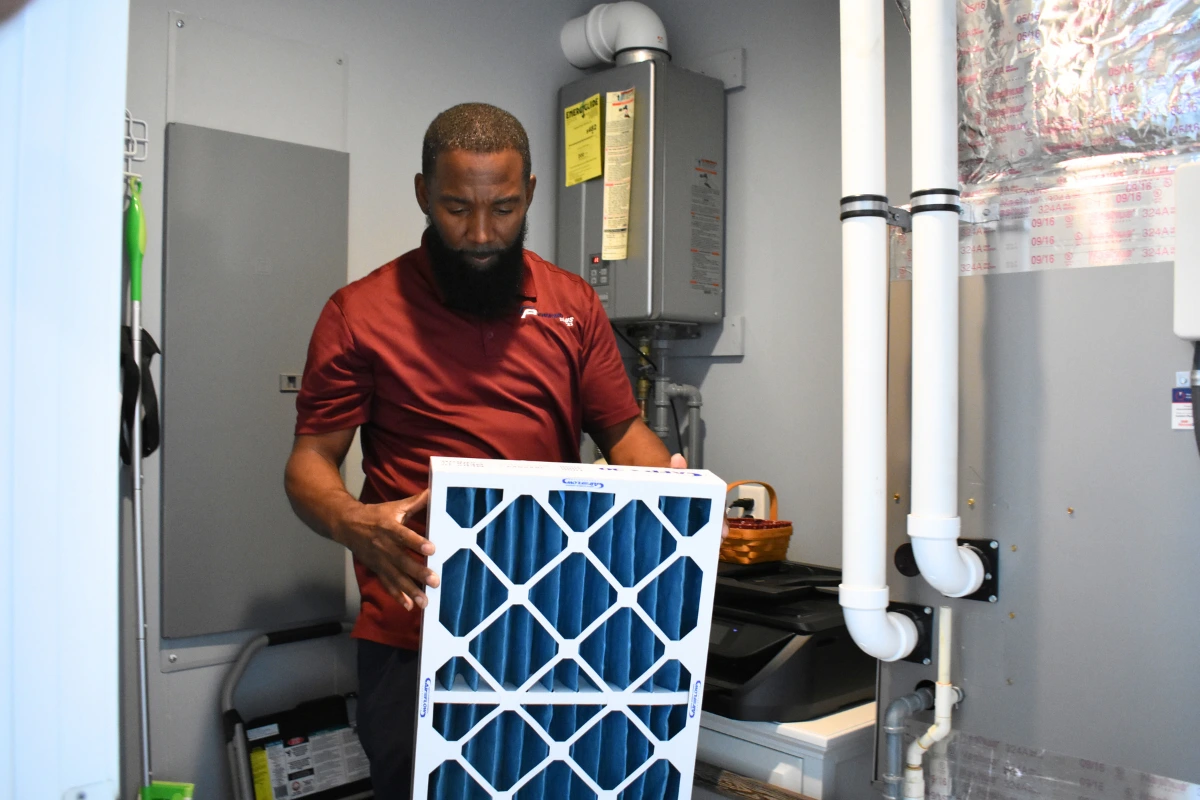
Not all air filters are created equal when it comes to allergens. Standard 1-inch fiberglass filters capture large particles, but allow fine allergens like mold spores and pollen to pass through.
MERV-rated filters (Minimum Efficiency Reporting Value) for residential systems typically range from MERV 8-13. These filters can capture significantly smaller particles than non-MERV filters, without restricting airflow the way 14+ MERV filters can.
One important note: upgrading to a higher-MERV filter without confirming your system can handle the airflow restriction can actually reduce efficiency and put stress on the blower motor. A Comfort Plus technician can tell you exactly which filter is right for your specific system, and our techs are happy to answer questions about system settings and maintenance schedules for allergy reduction.
As a general rule for spring, change your filter at the start of the cooling season. If you have pets, or if anyone in your household has allergies or asthma, consider checking it monthly through the summer months when the system runs more frequently.
Whole-home air purifiers help HVAC filters work better.
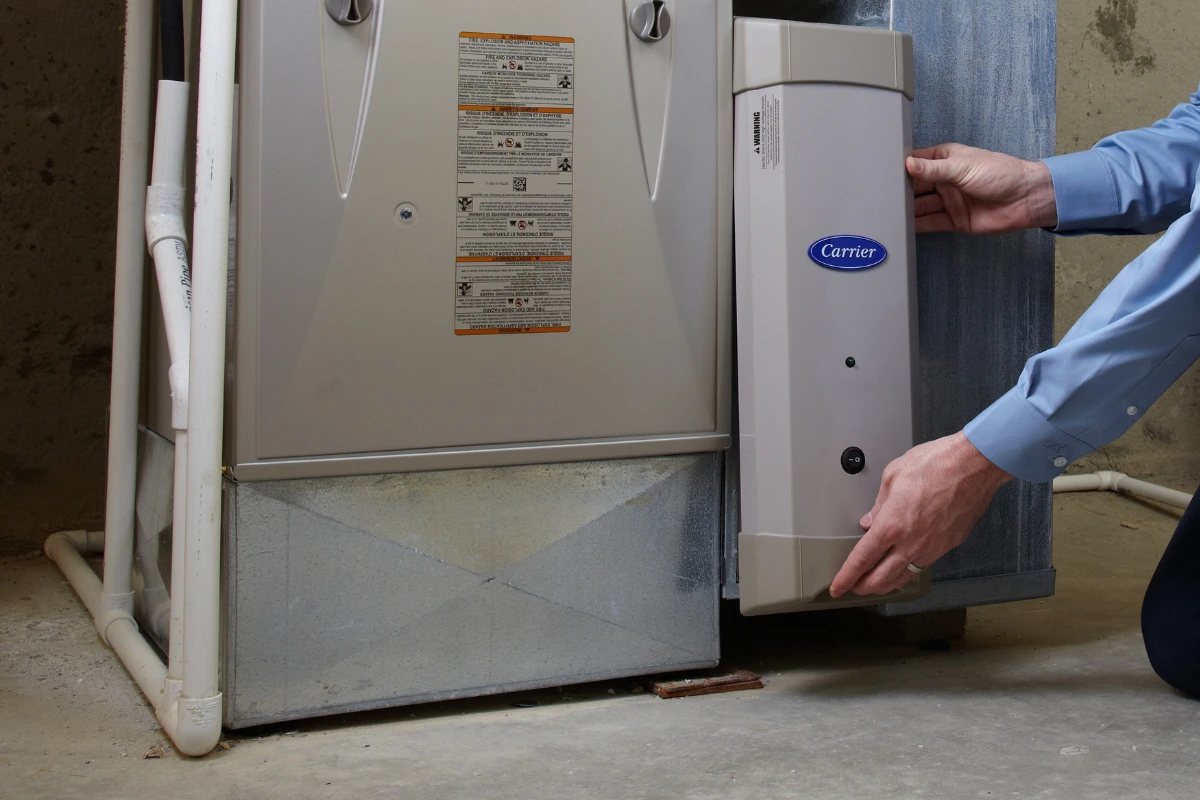 Air filters capture particles as they pass through. Whole-home air purifiers like the REME HALO® actively treat the air throughout your home, reaching surfaces and spaces that your HVAC’s filtration alone can’t address.
For families dealing with seasonal allergies, asthma, or chronic respiratory sensitivities, a whole-home purifier can be a meaningful upgrade. These systems reduce airborne allergens, odors, and microbial activity across the entire living space, not just at the return air vent.
Comfort Plus Services installs and services indoor air quality systems across the Eastern Shore and Delaware. Learn more about our IAQ solutions.
Humidity control is half the battle.
Delmarva’s spring and summer humidity affects your home’s indoor air quality in ways that go beyond discomfort. High indoor humidity feeds dust mite populations and promotes mold growth in areas you can’t see, including inside wall cavities, under crawl space vapor barriers, and behind the coil in your air handler.
A whole-home dehumidifier works in tandem with your HVAC system to maintain indoor humidity at a consistent, healthy level, typically between 40 and 50 percent. Unlike portable units, a whole-home dehumidifier handles the volume of air in a full-sized home, including areas like crawl spaces and basements that portable units can’t adequately address.
Homeowners in Easton, MD and throughout Talbot County know that the Choptank River corridor can push humidity levels into the home even on mild days. If allergy symptoms persist indoors even with a clean filter, humidity is often an underlying factor worth investigating.
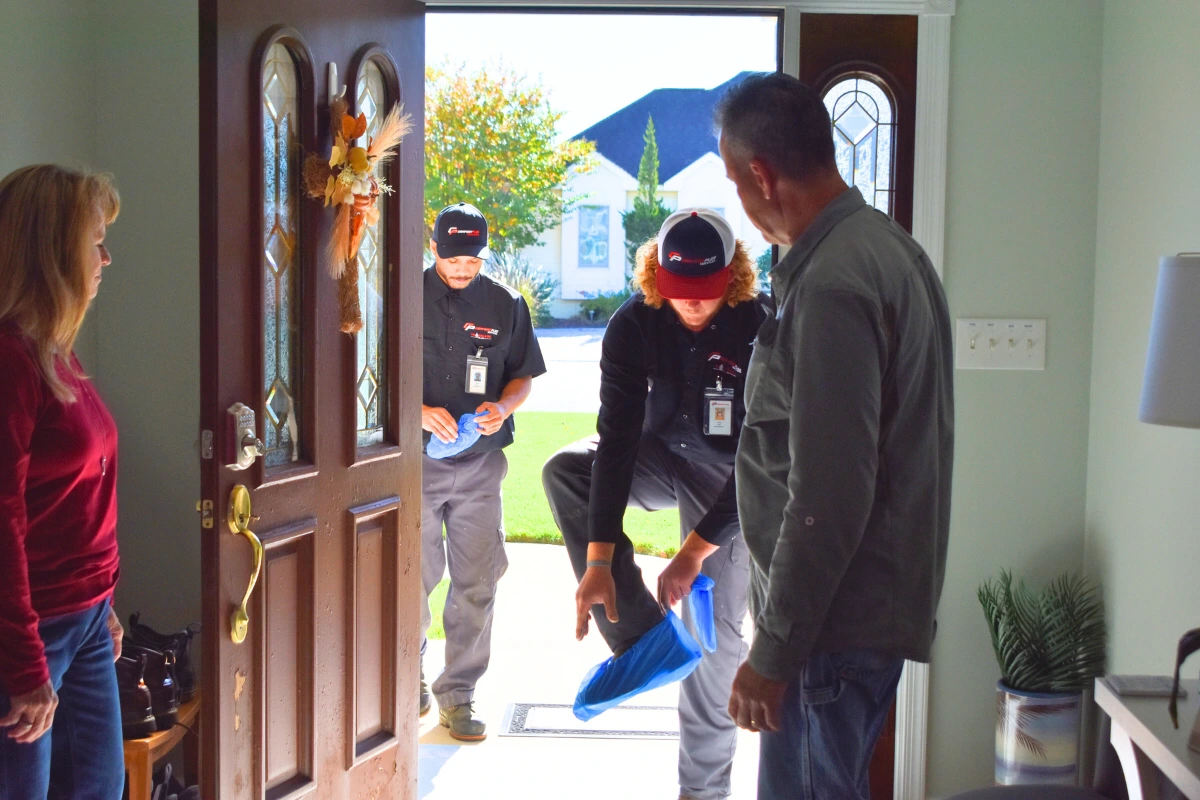
The NATE-certified technicians at Comfort Plus Services inspect, clean, and service HVAC systems across Maryland’s Eastern Shore and Delaware. We’re available 24/7 for emergency repairs when things can’t wait. Whether it’s a pre-season tune-up, an air purifier installation, or a question about your system’s air quality performance, we’re a local call away.
Ready to head into spring with clean air and a system you can count on? Schedule your spring HVAC maintenance visit with Comfort Plus Services today.
Frequently Asked Questions (FAQs)
Call on Comfort Plus Services whenever you need up-front pricing, quality work with a satisfaction guarantee, and prompt attention to your home’s HVAC and plumbing needs. Since 2013, Comfort Plus has been providing professional and dependable service across the Eastern Shore of Maryland and Delaware. Our hundreds of five-star Google reviews are just a snapshot of how our neighbors feel about the work we do.