Winter on Delmarva may be mild some years, but freezing nights and long cold snaps still create the perfect conditions for plumbing emergencies like frozen pipes. Mid-Atlantic weather can lead to older coastal homes in Sussex County, Caroline County, Talbot County, and throughout the Eastern Shore facing higher risks of leaks, burst pipes, and water damage.
To help homeowners and vacation-home owners stay ahead of seasonal plumbing issues, here are the most common winter plumbing problems Comfort Plus Services sees across Delmarva, why they happen, how to tell if you need help, and how to prevent these winter plumbing problems every homeowner dreads.
Common question: “How do I know if my pipes are frozen?”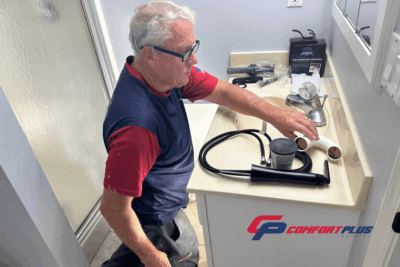
When the temperature drops below 32°F, water inside your pipes begins to freeze and expand. This pressure can cause pipes to bulge, crack, or burst, especially in older homes or homes with uninsulated crawlspaces, basements, or exterior walls.
Signs Your Pipes May Be Freezing
- Sudden drops in water pressure
- Frost forming on visible pipes
- Gurgling or “air in the line” sounds
- No water coming from a faucet on a cold morning
How to Protect Your Pipes From Freezing
- Keep your thermostat set to 55 degrees, at a minimum, even when you’re away.
- Open cabinet doors in your kitchen and bathrooms to allow warm air to reach pipes.
- Let faucets drip during hard freezes. For extended periods below freezing, a drip may not be sufficient. You may need to allow a small stream of water to run, but be aware of any slowing or freezing drain lines that could require more hands-on management.
- Add insulation to exposed pipes. Heated tape for pipes is cheap insurance to keep them from freezing.
- Seal air leaks around crawlspaces and foundations. Cold, wet wind coming off the bay or the beach can make pipes freeze with just a little exposure, so make sure any spaces with pipes are well insulated and protected from freezing wind.
Common question: “Why do crawlspace pipes burst in winter?”
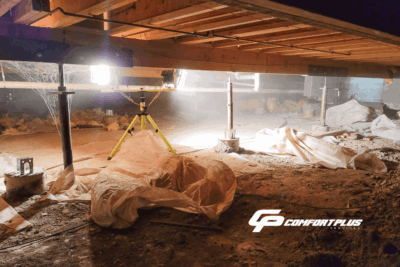
Crawlspaces are extremely common across Delmarva, and they’re especially vulnerable when temperatures swing rapidly. Older PVC and copper lines can fracture under sudden pressure changes.
Why Delmarva Homes Are at Higher Risk
- High groundwater levels and fluctuating soil temperatures
- Poorly insulated crawlspaces under beach-area and rural homes
- Aging plumbing systems in 1970s-1990s construction
Common question: “How to clear a slow kitchen drain when it’s cold outside?”
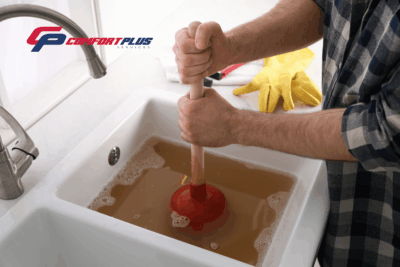 Cold temperatures cause grease, soap, and organic material to solidify more quickly in drain lines. Holiday cooking and heavier household usage can make this problem worse.
Slow Drain Warning Signs
- Gurgling drains
- Sink water backing up
- Slow-moving tubs or showers
Common question: “Why is my water heater not keeping up in winter?”
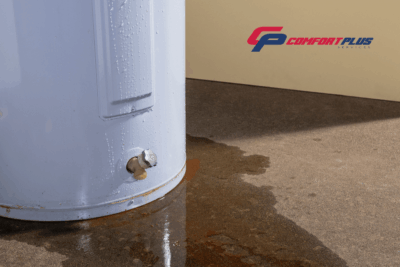 Your water heater works harder in winter, and older systems (especially ones with sediment buildup) can struggle to keep up.
Common Winter Water Heater Problems
- Lukewarm water
- Sudden temperature fluctuations
- Pilot light issues in gas units
- Longer recovery times
When to Call a Plumber
If you hear popping, rumbling, or hissing, sediment buildup may be adding stress to your in-tank heating elements.
Common question: “Why does my sump pump run constantly after a winter storm?”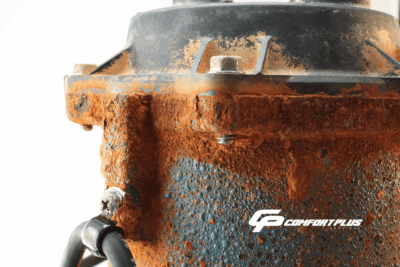
Many Delmarva homes rely on sump pumps because of our high water table. During winter storms, sump pumps can run nonstop. That stress can lead to pump failure and flooding.
What Homeowners Often Notice
- Sump pump cycling every few minutes
- Musty or damp smell in the crawlspace
- Visible water pooling after a snowmelt event
Common question: “How do I winterize an outdoor faucet on a Delmarva home?”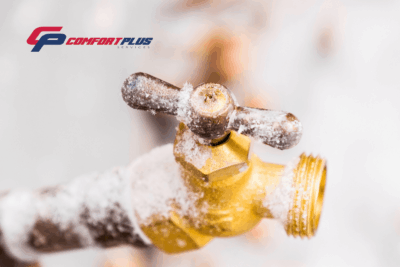
Unprotected hose bibs freeze quickly and are a primary cause of burst pipes. A cracked line may not leak until temperatures rise, leading to sudden flooding when pipes thaw.
How to Prevent Frozen Faucets
- Install insulated faucet covers
- Disconnect all hoses
- Shut off and drain exterior lines (if possible)
Common question: “Why is my well pump not working after a freeze?”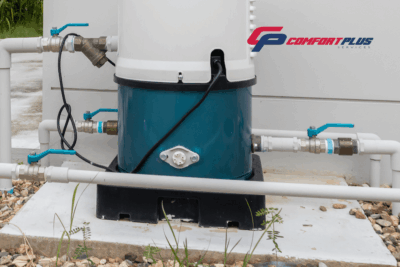
Many rural Maryland homes and agricultural properties rely on well systems. Exposed pipes or pump housings can freeze, leaving homeowners without running water.
Symptoms of a Well Pump Issue
- No water pressure
- Clicking sounds near the pressure tank
- Breakers tripping
How to Prevent Winter Plumbing Problems in Your Home
Here’s what homeowners can do proactively to prevent winter plumbing problems:
Insulate Pipes in Vulnerable Areas
Especially crawlspaces, garages, attics, and homes with exterior pipes.
Keep the Thermostat Consistent
Sudden temperature drops indoors increase freeze risk. Even for vacation homes, make sure your thermostat is set to 55 degrees, at a minimum, during the winter. Wi-Fi thermostats enable you to control your HVAC system temperature from a smartphone app, even when you’re out of state.
Know Where Your Main Water Shutoff Valve Is
This is essential if a pipe bursts. See our plumbing page FAQs for detailed instructions on how to locate and turn off your home’s main water supply.
Schedule a Winter Plumbing Safety Inspection
Sign up for a Plumbing Service Plan that includes annual seasonal maintenance, or give us a call for one-time service each fall. A CPS plumber can check:
- Crawlspace and exterior plumbing lines
- Water heater efficiency
- Sump pump reliability
- Pipe insulation quality
When to Call a Plumber Immediately
Call Comfort Plus Services if you experience:
- No running water during a freeze
- Low pressure throughout the home
- Water stains or dripping in ceilings or walls
- A burst pipe or visible flooding
- A sump pump that won’t turn off
Why Delmarva Homeowners Choose Comfort Plus Services
 CPS is locally trusted across Maryland and Delaware for fast response, transparent pricing, and expert winter plumbing repair. As a regional leader in both HVAC and plumbing, we understand Delmarva’s climate, soil conditions, and home construction types and challenges better than national competitors.