
Summer on the Eastern Shore doesn’t last forever, unfortunately. Before you leave for the season, though, there are a few things you need to address to close your beach house for the winter.
Taking a few minutes to protect your home’s plumbing, HVAC, and furnace can save you from a frozen pipe, mold, or no AC when you come back in the spring.
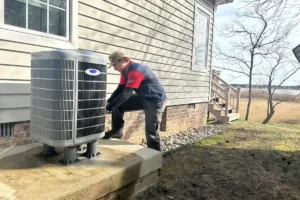
Step 1: Schedule a Furnace Tune-Up Before You Leave
Your furnace has probably sat idle since last winter. Before the cold sets in, have it inspected and serviced. A tune-up checks the burner, the heat exchanger, and the ignition system, and catches small issues before they turn into big problems over the winter.
Here’s a quick checklist to help you know how to prepare your furnace for winter, with or without a professional tune-up.
For vacation homes, twice yearly seasonal tune-ups are especially important. If a furnace fails while the house is empty, nobody’s there to notice until pipes have already frozen.
Jeff, one of our NATE-certified HVAC technicians, recommends a fall tune-up for every seasonal property, no matter what type of heating system they use.
Step 2: Set Your Thermostat to Low Heat, Not Off
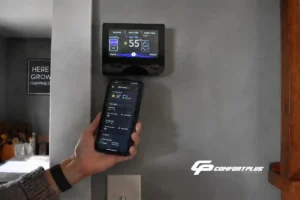 Don’t turn your heat off completely, even if the house will sit empty for months. Set the thermostat to at least 55°F. That’s warm enough to keep pipes from freezing without running up your energy bill.
A wi-fi thermostat is worth considering for a vacation property. You can check the temperature remotely and get an alert if it drops unexpectedly, which gives you a chance to call for help before a pipe bursts.
Step 3: Winterize Your Plumbing
Frozen and burst pipes are the most common cold-weather damage in unoccupied coastal homes. Before you leave:
- Shut off the main water supply
- Drain the pipes by opening faucets and flushing toilets
- Disconnect and drain outdoor hoses and spigots
- Add antifreeze to toilet tanks and drain traps if the house will sit below freezing (you may not need this step, so contact our team to see if they recommend it for your home’s location and the length of time it will be vacant)
If your home has a more complex plumbing setup, sprinkler systems, outdoor showers, or multiple bathrooms, it’s worth having a professional walk through the winterization process with you the first time.
A Quick Closing Checklist
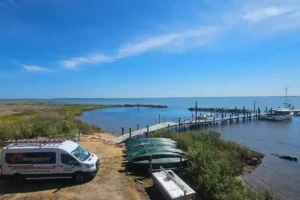 Closing up your Delmarva vacation home doesn’t have to be complicated. A few precautions cover most of what can go wrong over a coastal winter. If you’d like a professional to handle the details, our certified plumbers and HVAC technicians can manage your vacation home opening and closing tasks for you.
Ask our customer service team for more information about how we service vacation homes. Call us at 866-950-2653 to learn more.
Frequently Asked Questions (FAQs)


