Your heat pump handles most of the winter on Delmarva without much trouble. The trouble starts during prolonged temperatures below freezing.
When the heat pump can’t pull enough heat from the outdoor air, your backup heat takes over. For homes with electric backup, that can lead to some shockingly high electric bills.
Last winter, our team heard from a lot of heat pump owners who were surprised by their January bills. Here is what our Service Manager saw:
This guide compares the four most common backup heat setups for heat pumps, what each one costs to run in cold weather, and the maintenance each one needs. Use it to decide whether your current setup still makes sense with current electric rates.
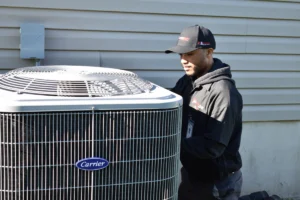
Why Electric Backup Heat Raises Your Bill
A heat pump warms your home by moving heat from the outdoor air, indoors. According to ENERGY STAR, a heat pump can use this heat transfer method to deliver up to three times more heat energy to your home than the electrical energy it uses.
As outdoor temperatures fall, the heat pump has less outdoor heat to work with and its output drops. Once it can’t keep up with your thermostat settings, the system turns on backup heat. You may notice your thermostat in “Aux,” “Auxiliary,” or “Stage 2” heating mode when this happens. (System notifications vary by heat pump model.)
There’s no universal temperature at which heat pumps need auxiliary heating to kick in. Variable-speed heat pumps, for instance, adjust the heat output depending on how much heat they’re able to draw from outside. Some cold-climate-rated heat pumps can maintain heat production well below zero.
Because Delmarva typically has mild temperatures, we tend to get the most calls about units that use electric backup heat. That heat is produced by a set of electric resistance strips in the indoor unit. These backup strips use a lot more energy than the heat pump, which leads to a sudden spike in electricity usage.
If you have a heat pump with electric heat strips and there’s a prolonged cold snap that requires backup heating for a few days, you will see a big impact on your electricity bill.
What’s Ahead This Winter
Electric rates have gone up for many of our customers. For Delmarva Power customers in Delaware, supply prices rose 17% to 20% on June 1, depending on rate class. In Maryland, the delivery charges have risen 25% since 2020.
Every extra hour your backup strips run adds to two parts of your electric bill: actual usage, and delivery fees. Nationally, the U.S. Energy Information Administration (EIA) expects homes that heat with electricity to see bills about 4% higher on average this winter. For a closer look at what to expect, see PepUp’s Winter 2026 home heating outlook.
If your power comes from an electric cooperative or a town utility, your rates may be different, but the equipment works the same way. Electric strips use far more electricity than your heat pump to make the same amount of heat, so your backup setup affects your bill no matter who supplies your power.
Heat Pump Backup Heat Options Compared
| Setup | How it works | Cold-weather operating cost | Upfront cost | Maintenance | Best fit |
|---|---|---|---|---|---|
| Heat pump with electric backup strips | Electric strips in the indoor unit turn on when the heat pump can’t keep up, and during defrost | Highest of the four during long cold snaps, since strips use far more electricity per unit of heat | Lowest, since strips usually come built into the system | Annual heat pump tune-up, including a check of the strips and controls | All-electric homes without propane or gas, and homes with mild winter use |
| Hybrid (dual fuel) heat pump | A heat pump paired with a propane or natural gas furnace that takes over below a set outdoor temperature | Avoids electric strip heat; cost depends on propane or gas prices compared with your electric rate | Higher, since it needs a furnace and fuel supply | Heat pump tune-up plus a furnace tune-up | Homes with ductwork that need to replace a furnace or heat pump |
| Heat pump plus a supplemental propane heater | Your existing heat pump stays, and a wall-mounted or freestanding propane heater covers the coldest days | Propane use only when you need it, which cuts back on electric strip heat | Lower than a new furnace; needs a propane tank and supply line | Heat pump tune-up, heater check, and tank monitoring | Heat pumps with years of life left, outage-prone areas, and second homes |
| Heat pump with oil furnace or boiler backup | An existing oil system takes over in cold weather | Avoids electric strip heat, but depends on heating oil costs (tied to crude oil) | Low if the oil equipment is already in place and working | Heat pump tune-up plus an oil tune-up | Homes with a working oil system |
Heat Pump With Electric Backup Strips
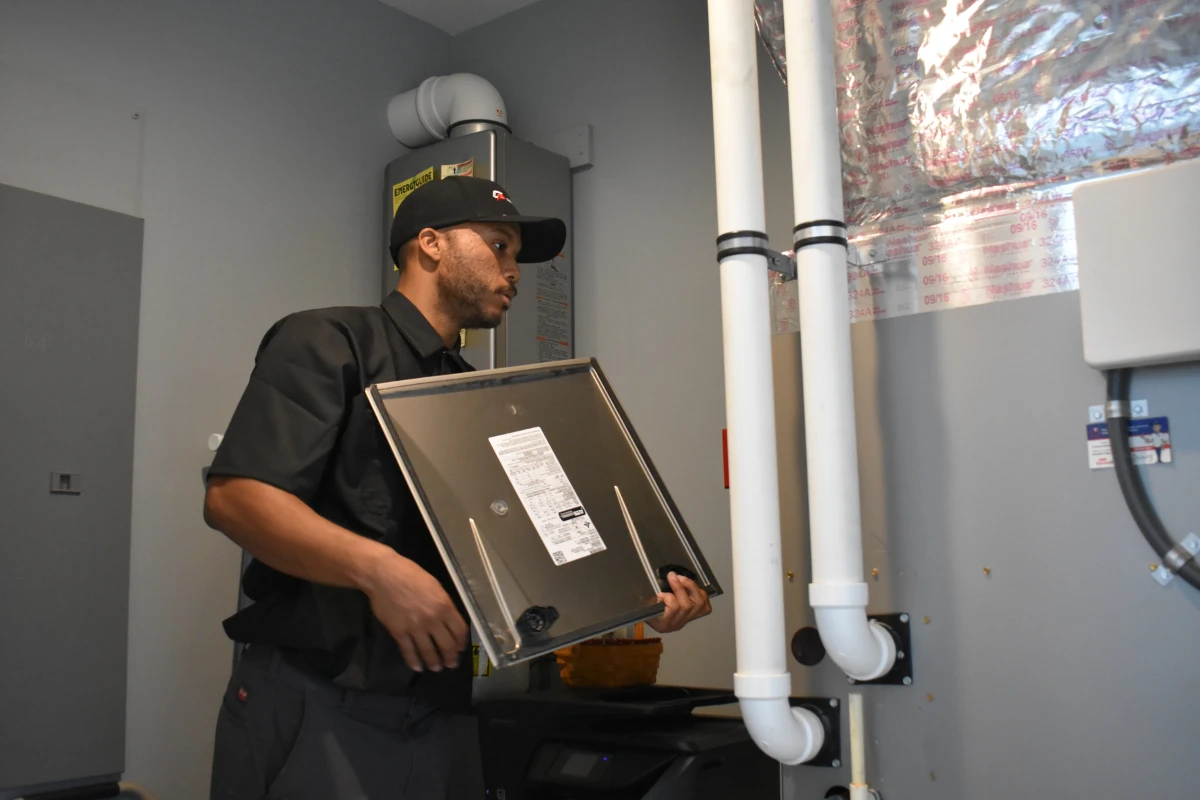 This is the most common setup and the simplest to install. It works well in mild weather, and the strips cover the coldest days. The tradeoff is operating cost during a long freeze, when the strips may run for hours at a time.
A lockout setting in the heat pump’s thermostat keeps the backup strips off whenever the outdoor temperature is above a set point. A tune-up is a good time to have one of our NATE and Carrier-certified technicians check that setting, since it’s usually customized to your system’s capabilities and your thermostat preferences.
If you’re replacing your heat pump and want to keep an all-electric system, ask about a cold-climate model that is less likely to use backup heat strips.
Hybrid (Dual Fuel) Heat Pump
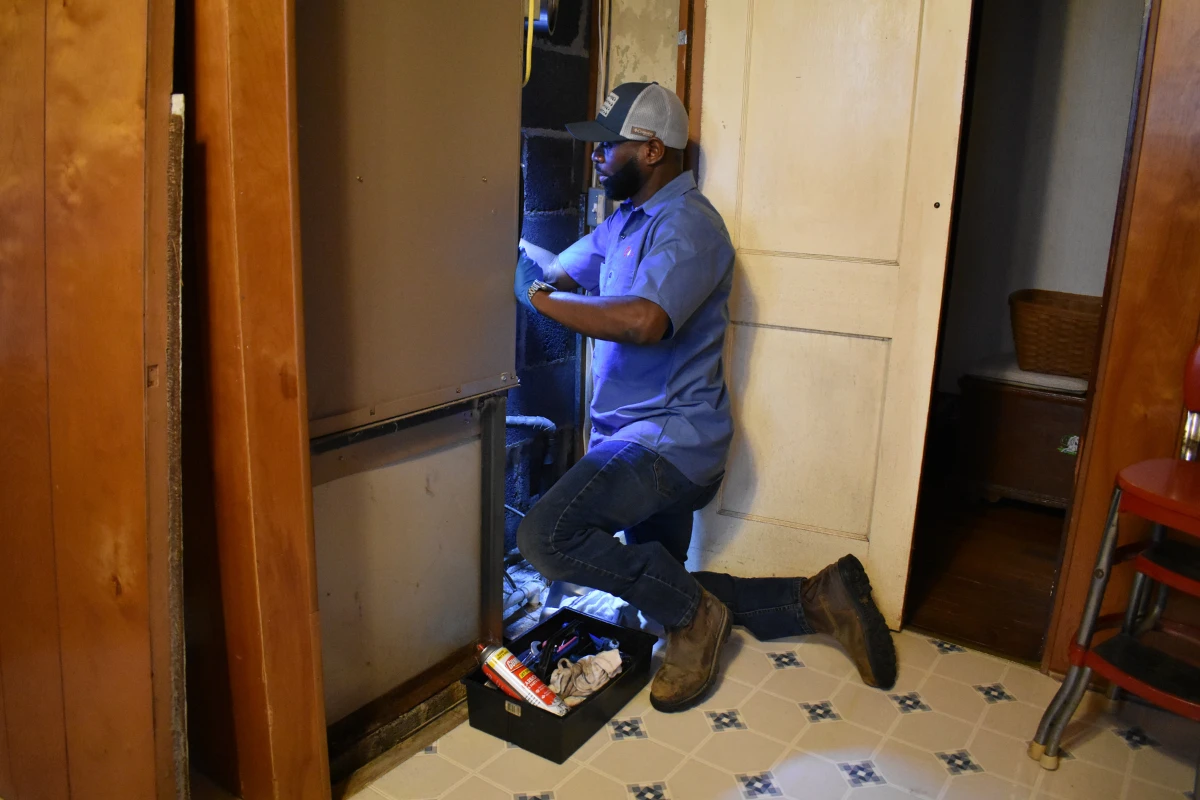 A hybrid heat pump pairs an electric heat pump with a propane or natural gas furnace. The heat pump handles heating in milder weather, and the furnace takes over when temperatures drop. The switch happens automatically at a set outdoor temperature. ENERGY STAR notes that a dual fuel system gives you the flexibility to heat with either system and use each one when it makes the most sense for cost.
A hybrid system makes the most sense on Delmarva when you’re replacing an aging furnace or heat pump and already have ductwork. As a Carrier Factory Authorized Dealer, we can help you size a dual fuel system for your home. For homes without natural gas service, PepUp can supply the propane tank, supply lines, and reliable propane deliveries.
Heat Pump Plus a Supplemental Propane Heater
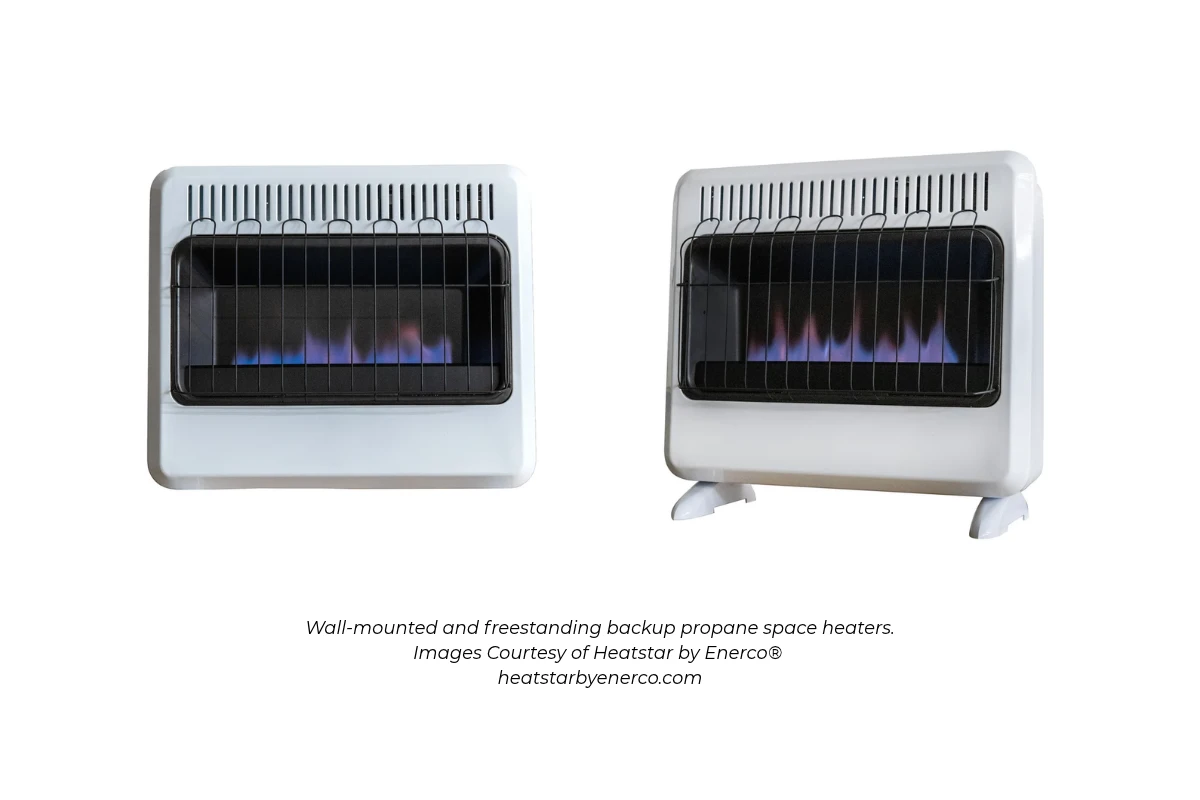 If your heat pump has years of life left, you can cut back on electric backup heat without replacing it. The PepUp team installs Heatstar propane heaters that can either be wall-mounted or left freestanding. A supply line connects each heater to a propane tank outside, so it can supply reliable backup heating on the coldest days. Radiant propane heaters also keep working during a power outage.
To learn more about supplemental propane heat, call PepUp at 800-638-7802 or read PepUp’s guide to adding propane for backup heat.
Heat Pump With Oil Backup
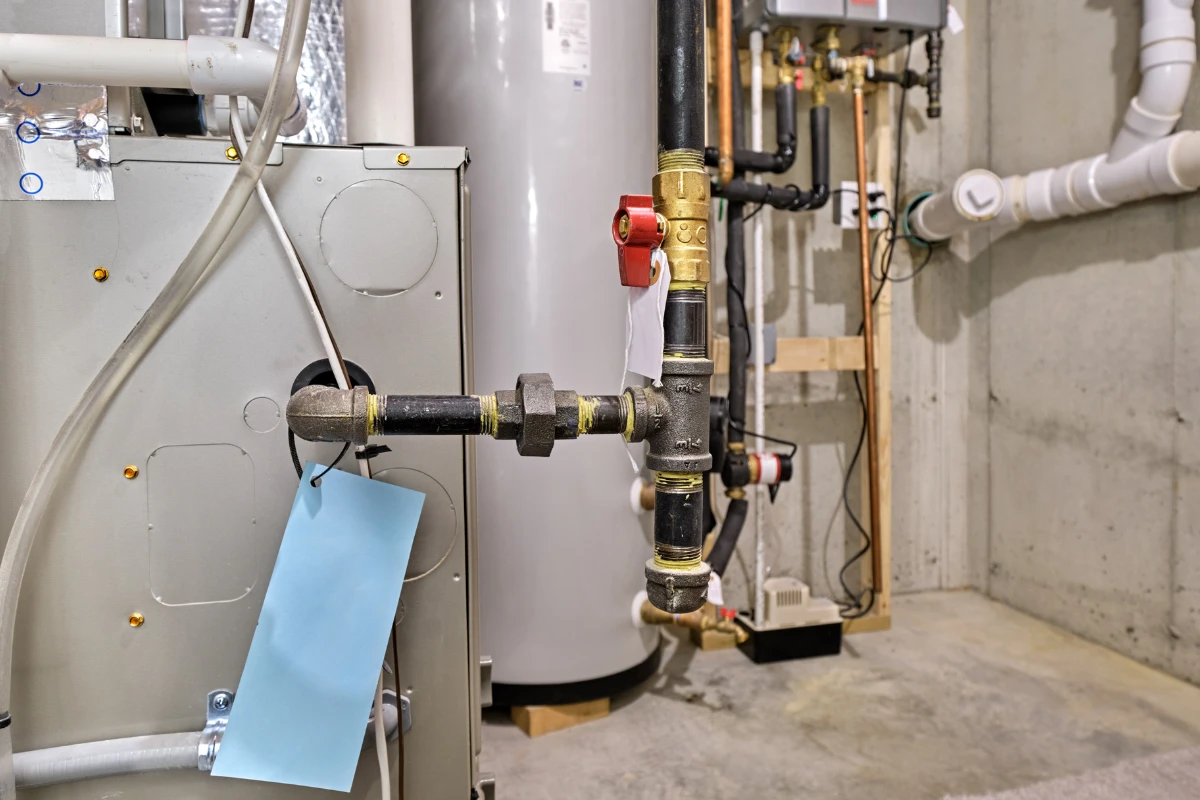 Some older homes pair a heat pump with an existing oil furnace or boiler. This setup avoids running electric strips, but oil costs are a concern this winter. EIA expects household spending on heating oil to rise about 21% compared with last winter.
If your oil equipment is near the end of its life, our system conversion team can walk you through switching to a propane heating system. PepUp also has a guide that can help you understand the process of adding propane to your home.
Which Backup Heat Source Fits Your Home?
- You have ductwork and an aging furnace or heat pump: A hybrid heat pump lets you replace equipment once and avoid electric strip heat in the coldest weather.
- Your heat pump is in good shape, but winter bills are high: A supplemental propane heater from PepUp covers cold snaps without replacing your system.
- Your home is all electric with no propane or gas service: Keep your strips, make sure your controls are set up correctly with a seasonal maintenance tune-up, and consider a cold-climate heat pump at replacement time.
- You own a second home on the coast: A vacation home left on low heat can lean on electric backup for days during a freeze while nobody is there. Set your thermostat to 55 degrees and leave it there. Propane backup or a hybrid system can also lower the cost of keeping an empty house warm. Check out our guide to closing a vacation home for the winter to make sure your home is protected while you’re away.
- You still heat with oil: Compare the cost of keeping oil backup against converting to propane. PepUp has a guide that can help you compare the two fuels within the context of heating your home.
Maintenance for Each Backup Heat Setup
Every setup runs better and costs less to operate when it’s maintained. Our technicians recommend a professional heating check-up every fall and inspecting your filters once a month, cleaning or changing them as needed. Here is what each setup needs before winter:
Near the coast, salt air adds wear to outdoor equipment. Our HVAC tune-up includes cleaning the outdoor coil to help prevent corrosion from saltwater air.
A Comfort Plus Service Plan includes an annual comprehensive tune-up, 15% off repairs, and priority service. See what each tune-up covers on our Service Plans page.
Financing a Backup Heat Upgrade
Adding a hybrid system or replacing an aging heat pump is a bigger investment. We offer 0% financing for up to 60 months, with approved credit through Wells Fargo, for qualifying systems. Visit our financing page or call 866-950-2653 to ask about current offers.
Talk to Our Team Before the Next Cold Snap
Whether you want to lower your backup heat costs or check that your current system is set up correctly, our team can help. If your heat pump is already operating on auxiliary or emergency heat, see our heating repair guide. To schedule a visit, call 866-950-2653 or contact us online.